
How does flex circuit improve electrical performance?
flex circuit improve electrical performance
In the world of electronics, high-speed signal transmission is crucial. As such, the quest for reliable, efficient, noise-free signals continues to grow. This is where flex circuits excel. Their superior dielectric properties, innovative construction, and advanced shielding make them a preferred solution for supporting today’s high-speed signal applications. The materials used in flex circuits are meticulously manufactured for uniformity and adherence to industry standards. These include copper-clad laminates, polyimide films, and adhesiveless clads. These materials all provide the essential conductivity needed for high-speed signal transmission, while achieving the flexible and dependable mechanical characteristics required of flex circuits.
One of the most important characteristics that separate flex circuit from rigid PCBs is their ability to endure bending and folding without damaging the copper or affecting performance. This is accomplished through a combination of the thickness of the copper and careful layout. Copper is usually thinner in flex circuits than rigid PCBs to allow for tighter bend radii without the risk of compromising electrical integrity. The use of thinner copper also allows for reduced line widths and spacings, facilitating smaller footprint designs.
Another way flex circuits improve electrical performance is by eliminating the need for hand wires. This eliminates human error during assembly and reduces production costs and times. In addition, flex circuits are designed to route only to points necessitated by the layout design, reducing space and component clutter.
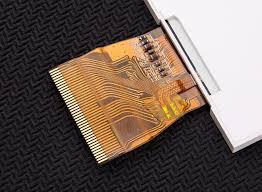
How does flex circuit improve electrical performance?
The streamlined designs of flex circuits can even improve product aesthetics, a factor that plays a critical role in consumer confidence. A popular example is a cauterizing tool that originally had a bulky wire connecting the electrode to the syringe. When replaced with a slim, sleek flex circuit, the device scored much higher on patient confidence ratings.
Flex circuits also improve a product’s reliability by replacing wire harnesses in applications that must withstand vibrations and shocks, such as mobile phones and automotive components. Rigid boards are prone to breaking under such conditions, but a flex circuit can withstand the rigours of daily operation and still maintain functionality.
Finally, a flex circuit’s advanced shielding capabilities help protect it against electromagnetic interference (EMI) and radio frequency interference (RFI), which can interfere with and damage electronic devices. Several methods of shielding are available for flex circuits, including traditional silver ink, which can be effective up to 10 GHz, as well as industry-leading solutions like EMI/RFI shielding films. These are available in a range of sizes and thicknesses, and can be incorporated into the layout and manufacturing process to ensure optimal electrical performance.