
How does a flex circuit manufacturer handle custom designs?
flex circuit manufacturer handle custom designs
A flex circuit manufacturer plays a pivotal role in bringing custom designs to life, particularly when the application demands highly specialized electronic circuits. Custom designs are common in industries such as medical devices, automotive, aerospace, and consumer electronics, where standard solutions do not meet specific functional or performance requirements. Handling custom designs involves several critical steps, from initial consultation and design analysis to the manufacturing process and final testing, all while ensuring high levels of precision, reliability, and flexibility in meeting client specifications.
The first step in handling custom flex circuit manufacturer designs is a thorough consultation between the manufacturer and the client. The manufacturer must understand the specific needs of the project, including the intended application, electrical requirements, environmental conditions, and physical constraints. Whether the circuit will be used in a compact consumer device, a high-performance aerospace system, or a delicate medical instrument, understanding the nuances of the design is crucial. During this phase, the manufacturer works closely with the client’s engineering team to gather detailed information, such as the type of components, the required layer structure (single-layer, multi-layer, or rigid-flex), and any special considerations such as flexibility, heat resistance, or durability.
Once the design requirements are clear, the next phase is the creation of a schematic and layout. At this point, the manufacturer’s engineering team begins to translate the customer’s specifications into a functional design, ensuring that it meets all electrical and mechanical requirements. For custom flex circuits, this phase often involves detailed simulations and design iterations. Engineers use specialized design software to create precise layouts, considering factors such as trace width, spacing, and the overall design’s compatibility with other components. The software tools also help to identify potential issues in the design, such as electrical interference, heat dissipation, or poor signal integrity, which could impact the performance of the flex circuit.
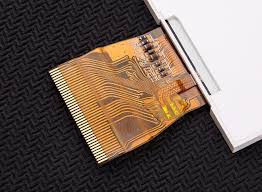
How does a flex circuit manufacturer handle custom designs?
After the design is finalized, the manufacturing process begins. For custom designs, the flex circuit manufacturer uses a variety of advanced techniques to ensure the circuit meets the required specifications. One of the most important aspects is the material selection, which depends on the unique demands of the application. For example, in medical or aerospace applications, where reliability and durability are critical, high-quality materials like polyimide substrates are chosen for their excellent thermal stability and flexibility. The manufacturer will also select the appropriate copper foil thickness and adhesive materials to support the electrical and mechanical requirements of the design.
The manufacturing process itself is a highly precise operation that includes photolithography, etching, drilling, and lamination. In custom designs, photolithography is particularly important, as it allows the manufacturer to transfer the intricate, custom circuit patterns onto the flexible substrate. This step involves using a photoresist material to protect the areas of the copper foil that will form the circuit traces while exposing the unwanted areas to an etching process. Additionally, for multi-layer or rigid-flex designs, the manufacturer may employ additional lamination and bonding processes to ensure all layers are securely attached and aligned.
Once the circuit is fabricated, it is time for assembly. Custom designs often require the integration of specific components, such as sensors, connectors, or microchips. The manufacturer uses precision equipment to place components onto the flex circuit, ensuring they are securely soldered and connected. For custom applications that require high-density component placement, surface-mount technology (SMT) may be used to ensure efficient use of space while maintaining performance.
Testing and quality control are crucial in the custom design process. After the assembly, the flex circuit undergoes various electrical and mechanical tests to ensure its functionality. Electrical tests check for continuity, short circuits, and signal integrity, while mechanical tests ensure that the circuit can withstand bending, flexing, and any environmental stress it might face during use. For custom designs, manufacturers may also conduct specialized tests based on the unique demands of the application, such as thermal cycling or moisture resistance tests.
Finally, the manufacturer delivers the finished product to the client, often with documentation outlining the testing results, materials used, and design specifications. Throughout the process, communication is key. A reliable flex circuit manufacturer will maintain an open line of communication with the client, addressing any questions or concerns and providing updates on the design, production, and testing stages.
In conclusion, a flex circuit manufacturer handles custom designs through a collaborative, detailed process that spans design, material selection, fabrication, assembly, and rigorous testing. By combining advanced technology, industry expertise, and a deep understanding of the client’s needs, manufacturers can create custom flex circuits that meet the precise requirements of a wide range of applications. Whether the circuit is for a medical implant, an automotive sensor, or a consumer electronic device, a skilled manufacturer ensures that the custom design performs reliably and effectively.