
How do Chinese online shopping sites handle customs fees?
Chinese online shopping sites handle customs fees
Chinese online shopping platforms have grown into global marketplaces, offering buyers worldwide access to a diverse range of products. While the affordability and variety of items attract international customers, customs fees and import duties remain a crucial consideration when purchasing from these sites. Since customs regulations vary by country, understanding how these platforms handle such fees can help buyers avoid unexpected costs and delays. Many platforms provide guidance on customs-related charges, but the responsibility for paying these fees often falls on the buyer.
When shopping on Chinese e-commerce sites like AliExpress, JD.com, or Banggood, buyers may notice that product prices do not typically include customs fees. This is because duties and taxes are imposed by the destination country and vary depending on the type of product, its value, and local import regulations. Some sellers provide estimates of potential customs costs, while others offer shipping methods that include pre-paid customs clearance. However, in most cases, buyers are required to check their country’s import policies and be prepared to cover any additional charges upon delivery.
Different shipping options can influence how customs fees are handled on chinese online shopping platforms. Standard shipping methods, such as China Post or economy courier services, may have a lower likelihood of customs fees being applied, but they often come with longer delivery times. On the other hand, express shipping services like DHL, FedEx, or UPS process customs clearance more efficiently but are more likely to incur duties and taxes. Some platforms offer “tax-included” shipping options, where the seller covers customs fees upfront, making it easier for buyers to receive their products without additional payments.
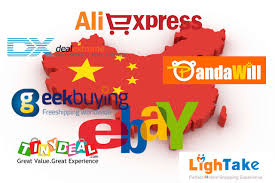
How do Chinese online shopping sites handle customs fees?
Bulk orders and high-value shipments typically undergo stricter customs inspections, making it essential for businesses and wholesalers to factor in potential duties. Many Chinese online shopping platforms that cater to bulk buyers, such as Alibaba and Global Sources, provide detailed customs documentation to ensure a smooth clearance process. Buyers placing large orders often work with freight forwarders or customs brokers to manage duties efficiently. Some suppliers also offer DDP (Delivered Duty Paid) shipping, where all customs fees are covered by the seller, reducing complications for the buyer.
To avoid unexpected customs charges, buyers should carefully review the seller’s shipping terms and customer reviews before making a purchase. Some sellers offer advice on how to declare lower product values to minimize duties, but this practice carries risks and may not comply with local regulations. Platforms like Tmall Global and JD Worldwide cater to international shoppers by partnering with logistics providers that offer transparent pricing, including customs fees, to create a hassle-free shopping experience.
As Chinese e-commerce platforms continue to expand their global reach, they are improving their logistics networks and customs-handling processes. While buyers must remain aware of potential import duties, many platforms are introducing more options to simplify international transactions. By selecting the right shipping methods, working with reputable sellers, and staying informed about customs regulations, buyers can effectively manage their purchases and avoid unexpected costs when shopping from Chinese online marketplaces.